In stock Featured
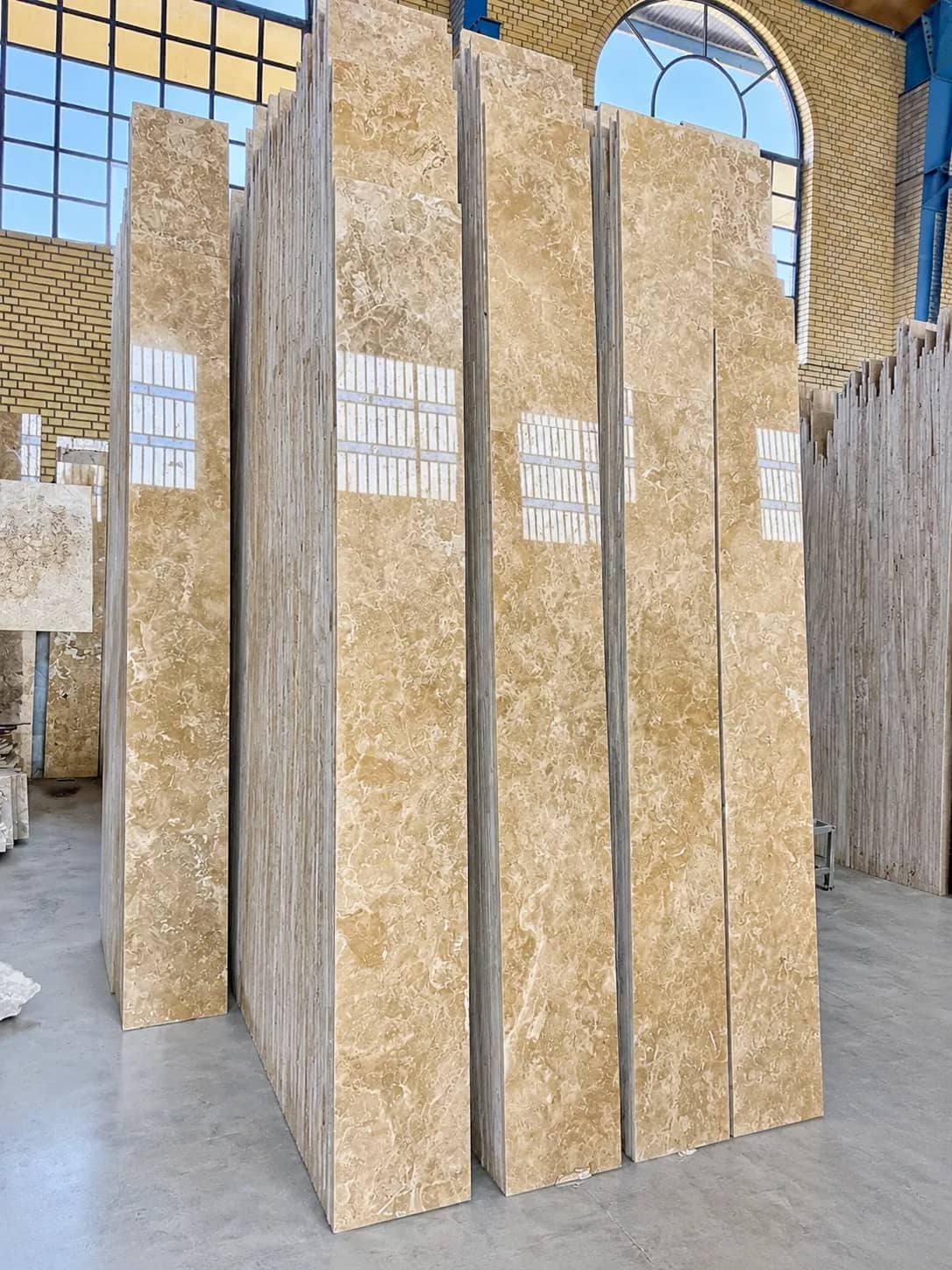
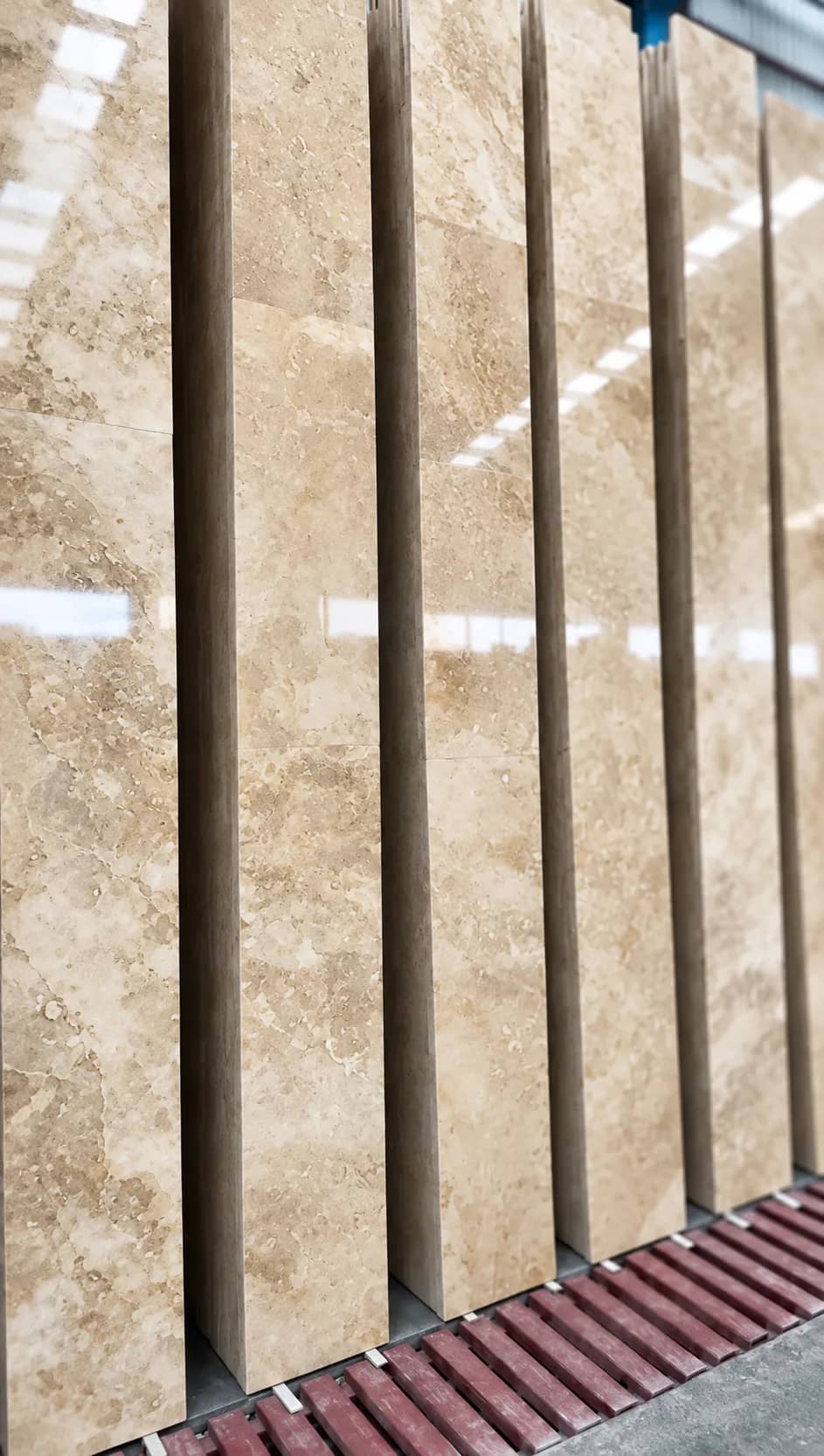
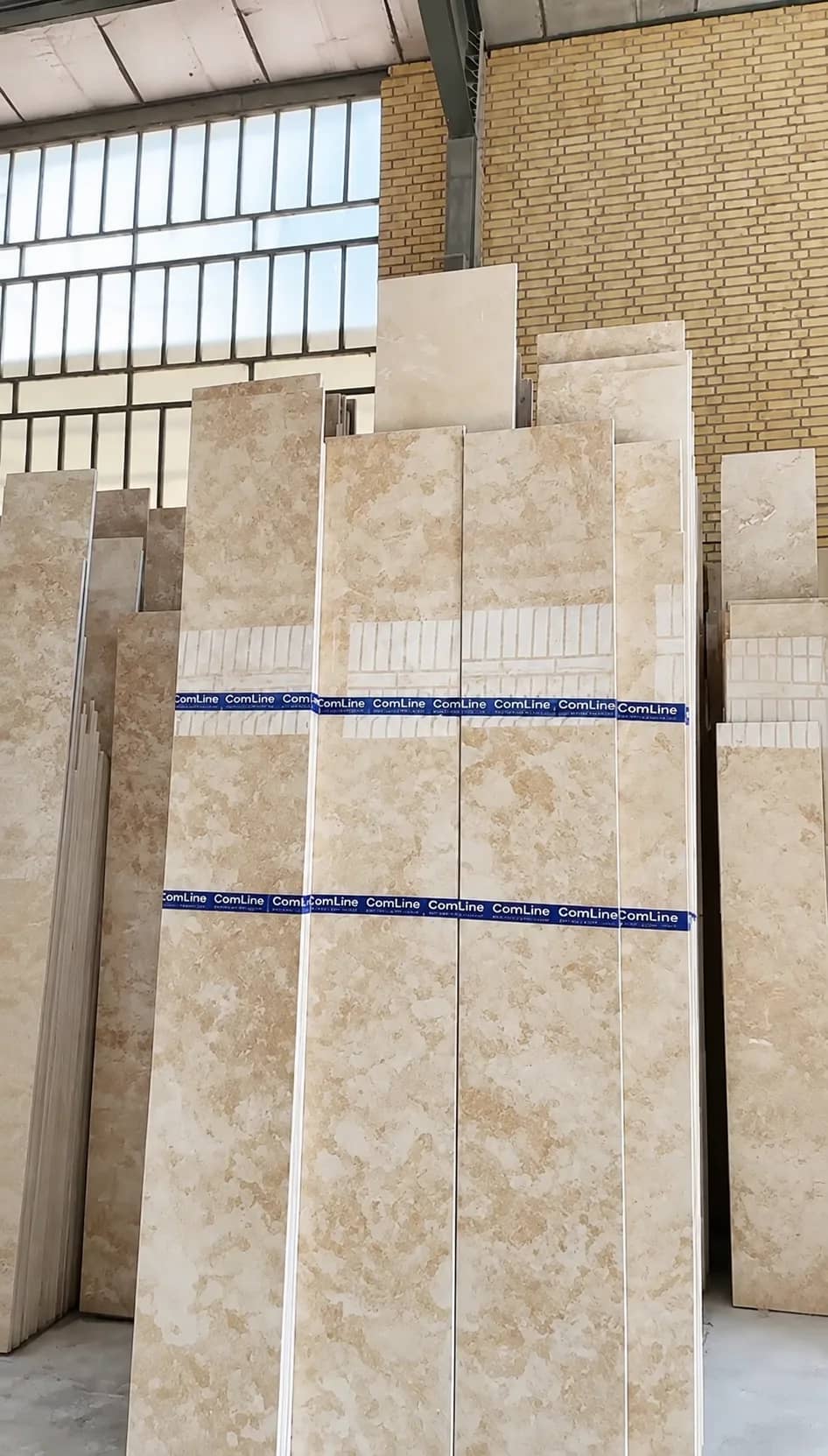
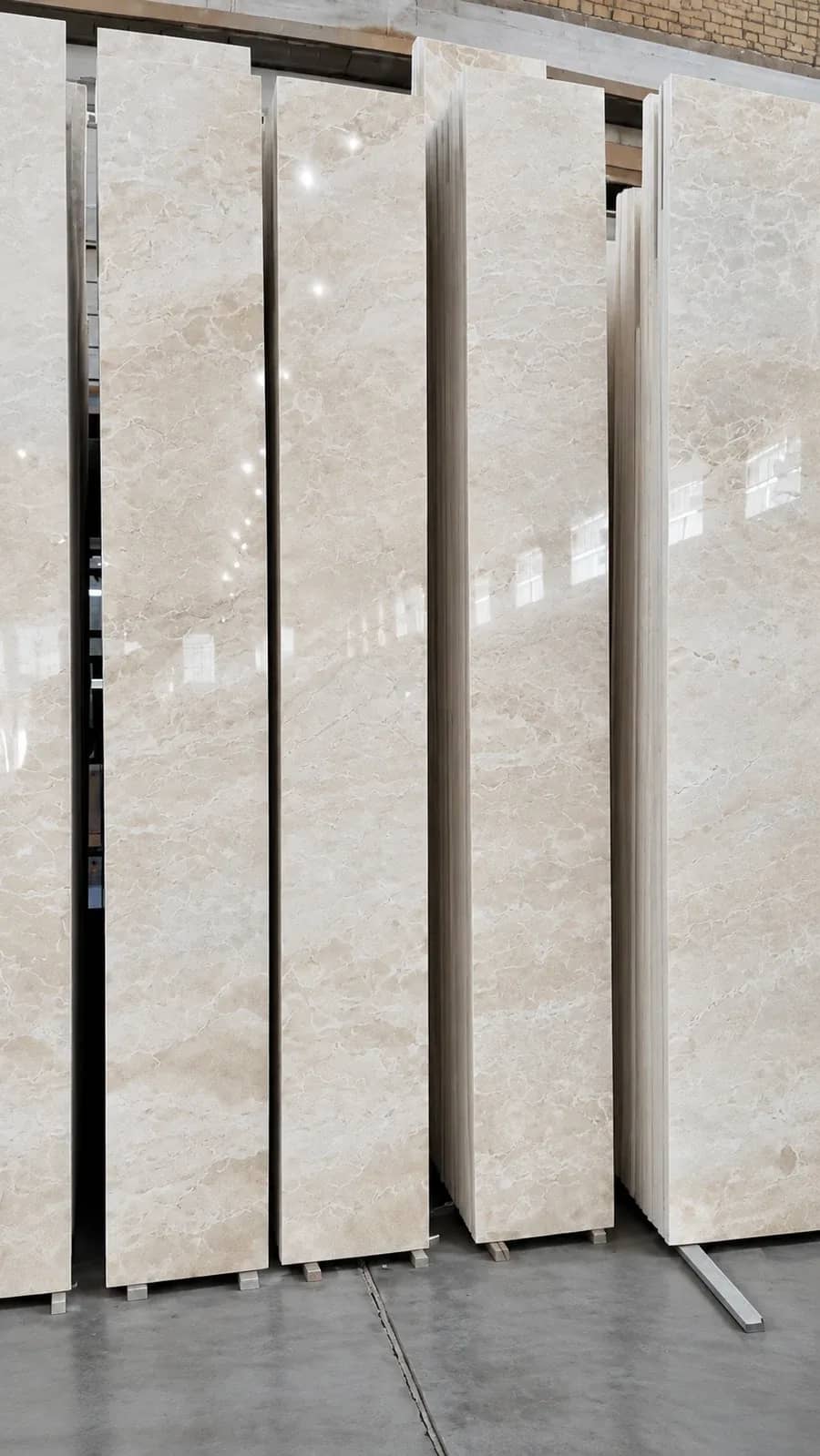
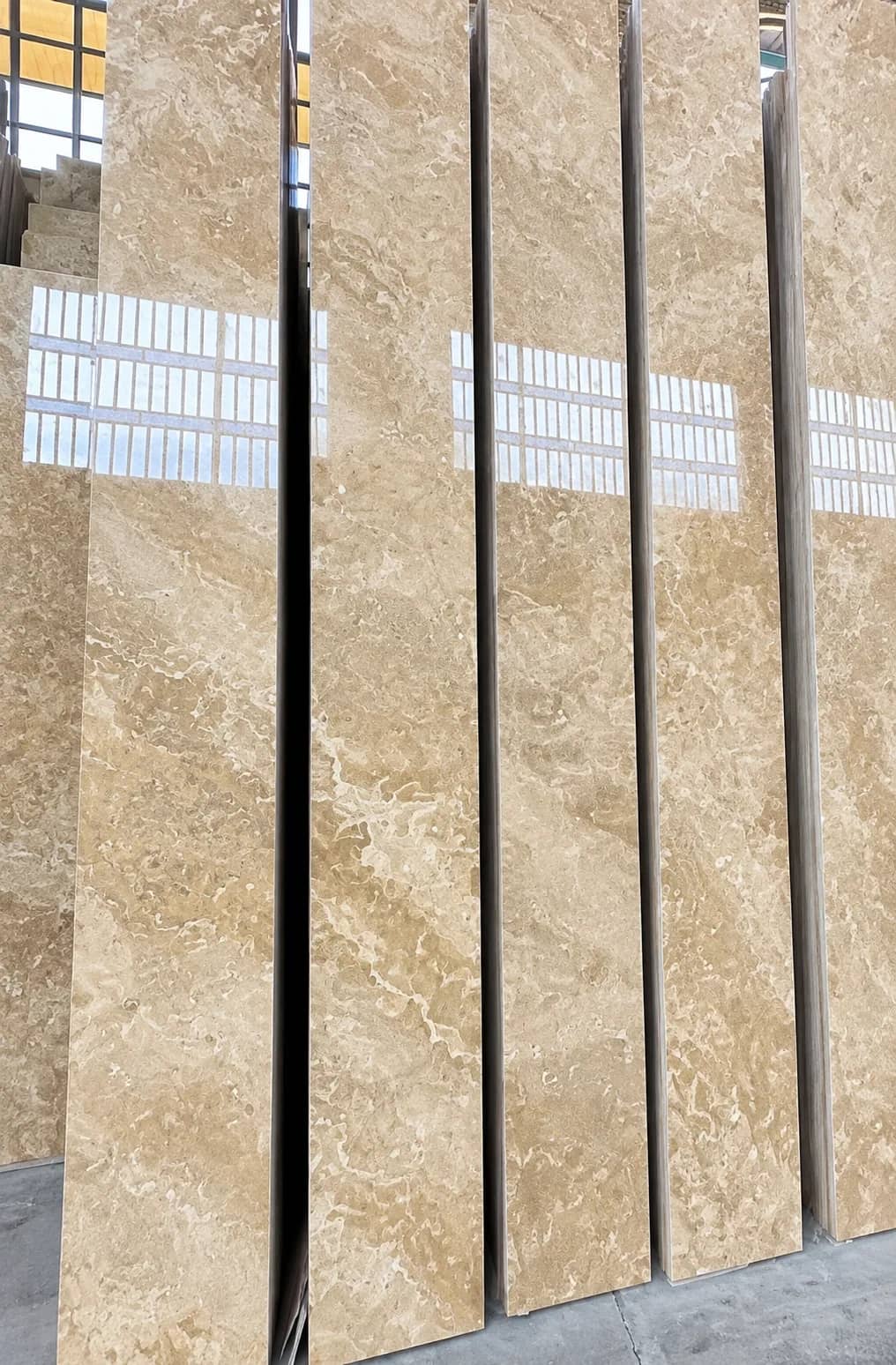
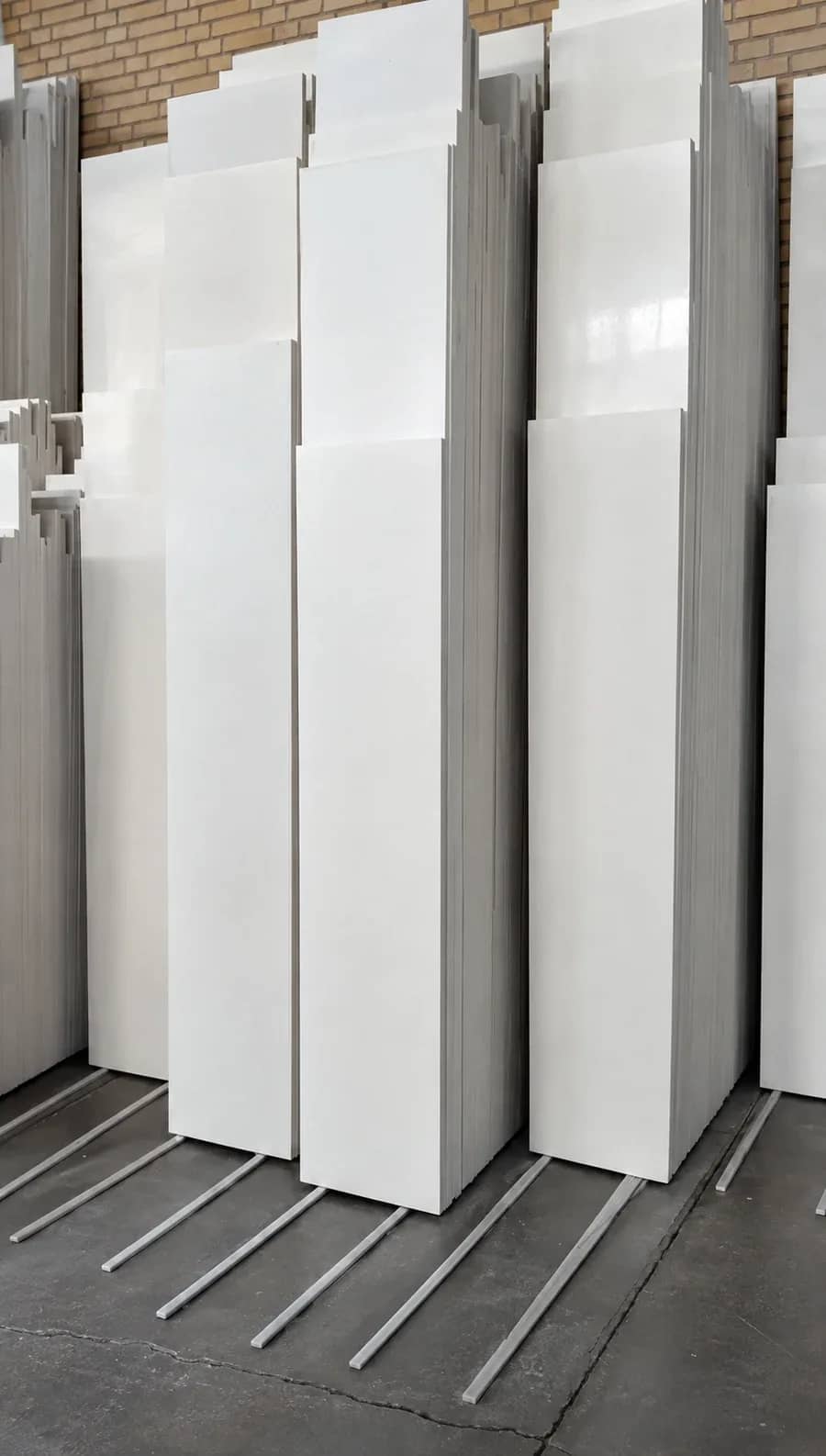
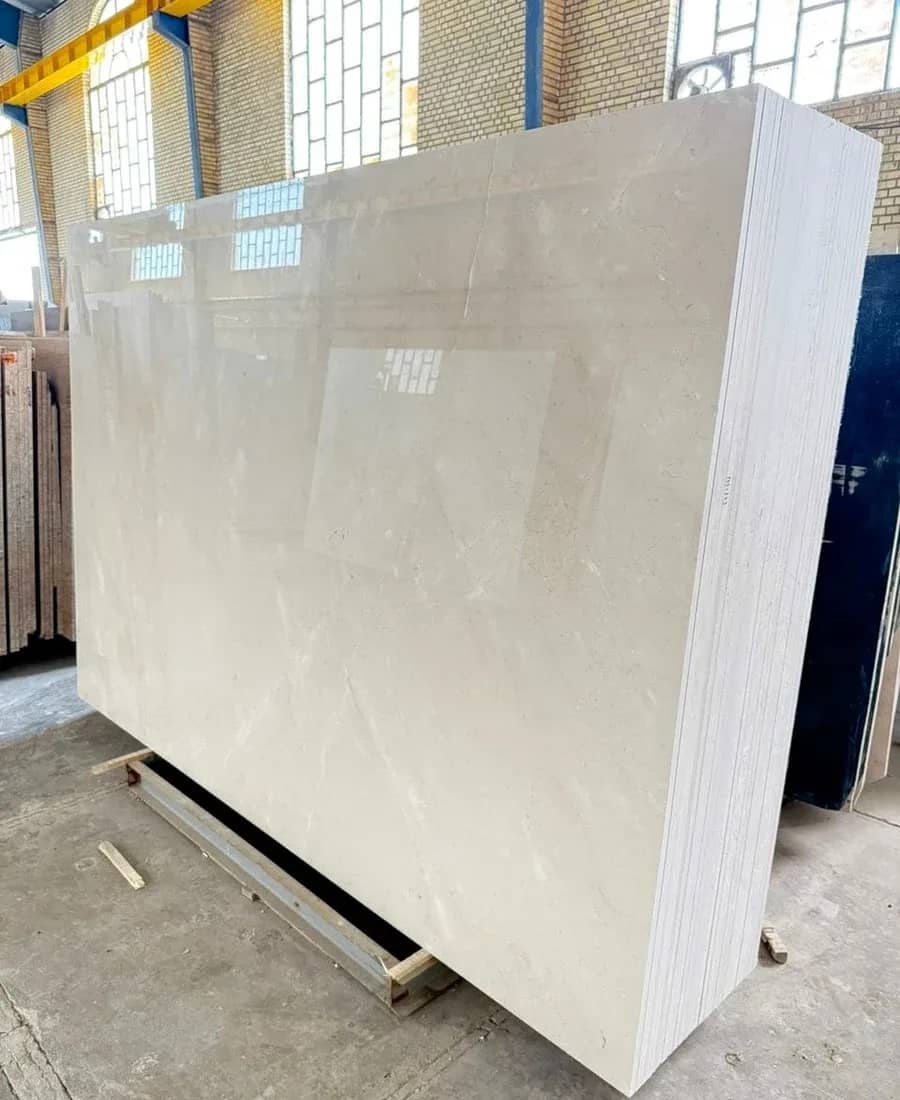
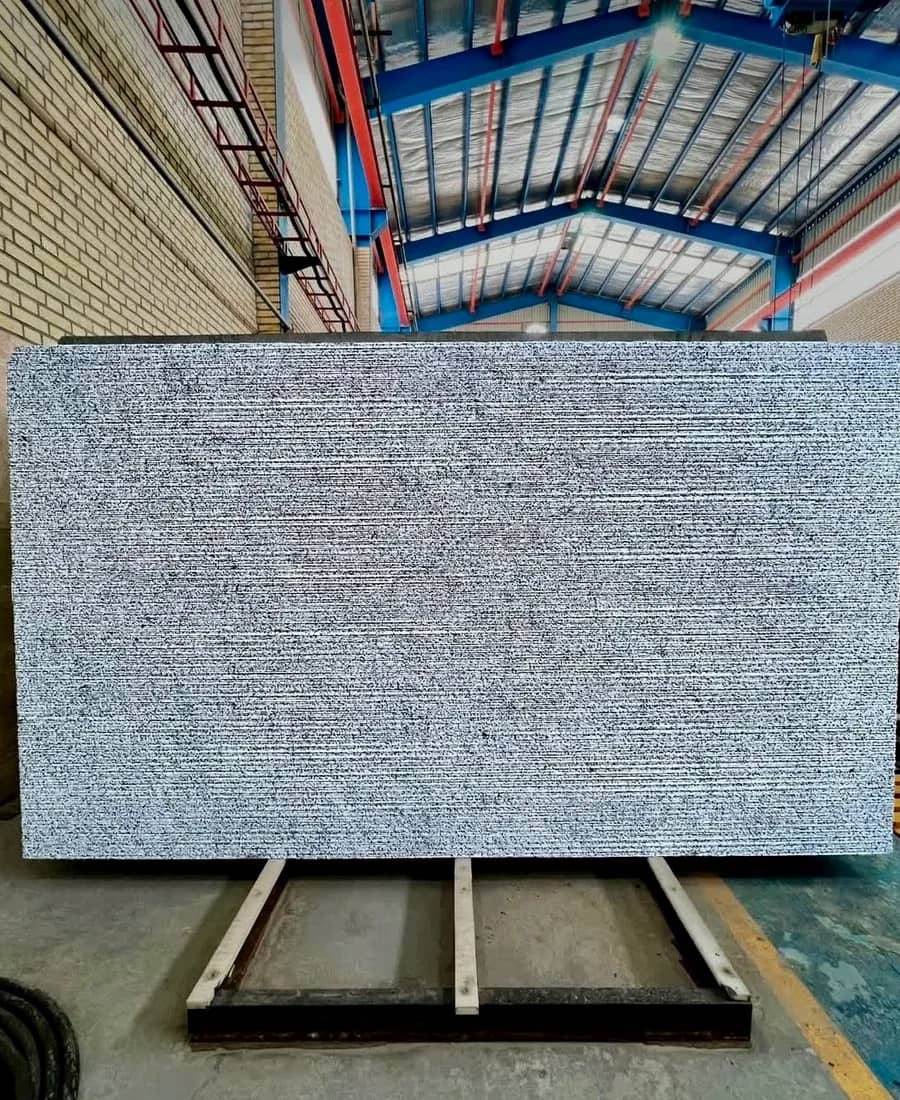
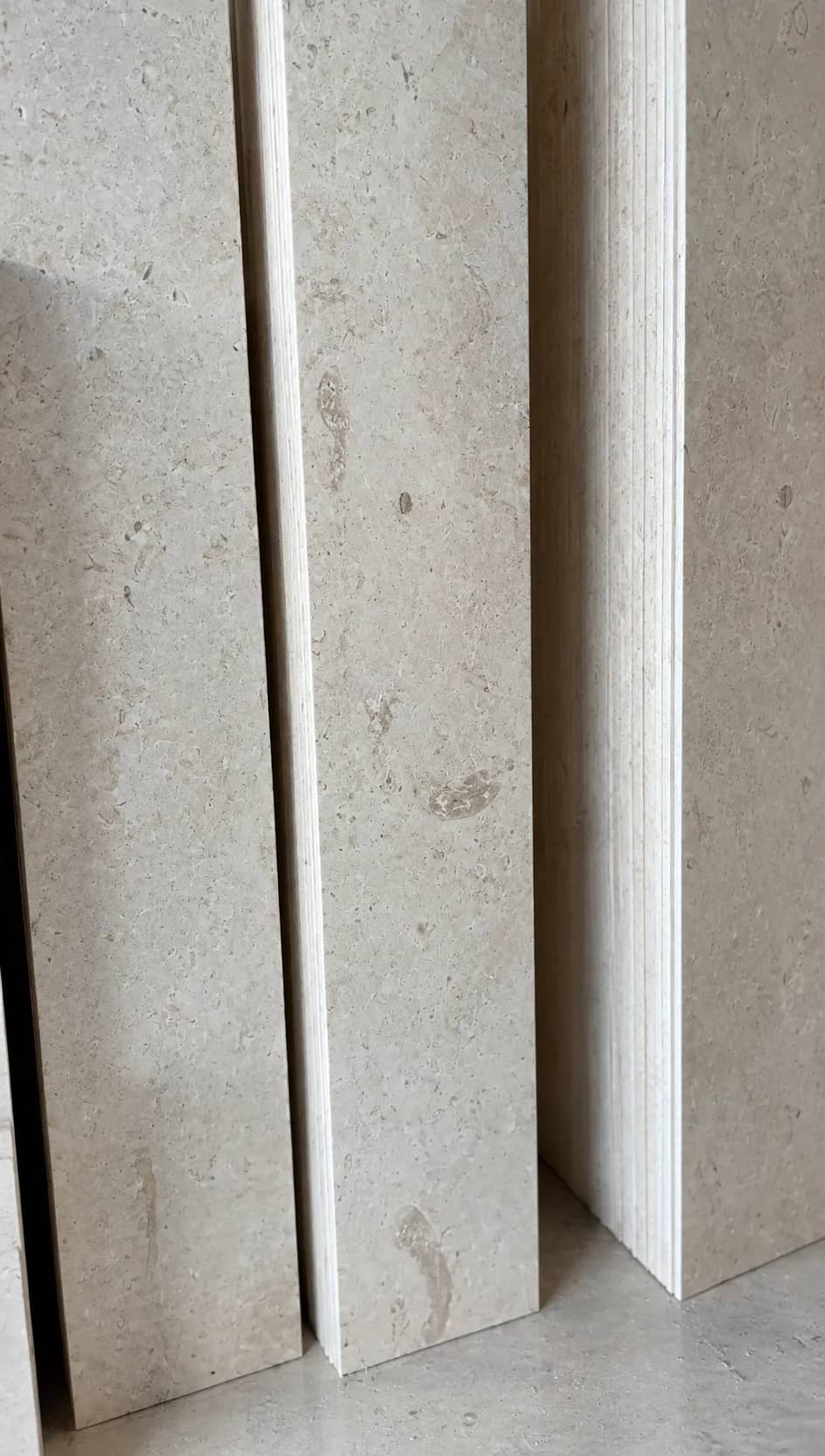
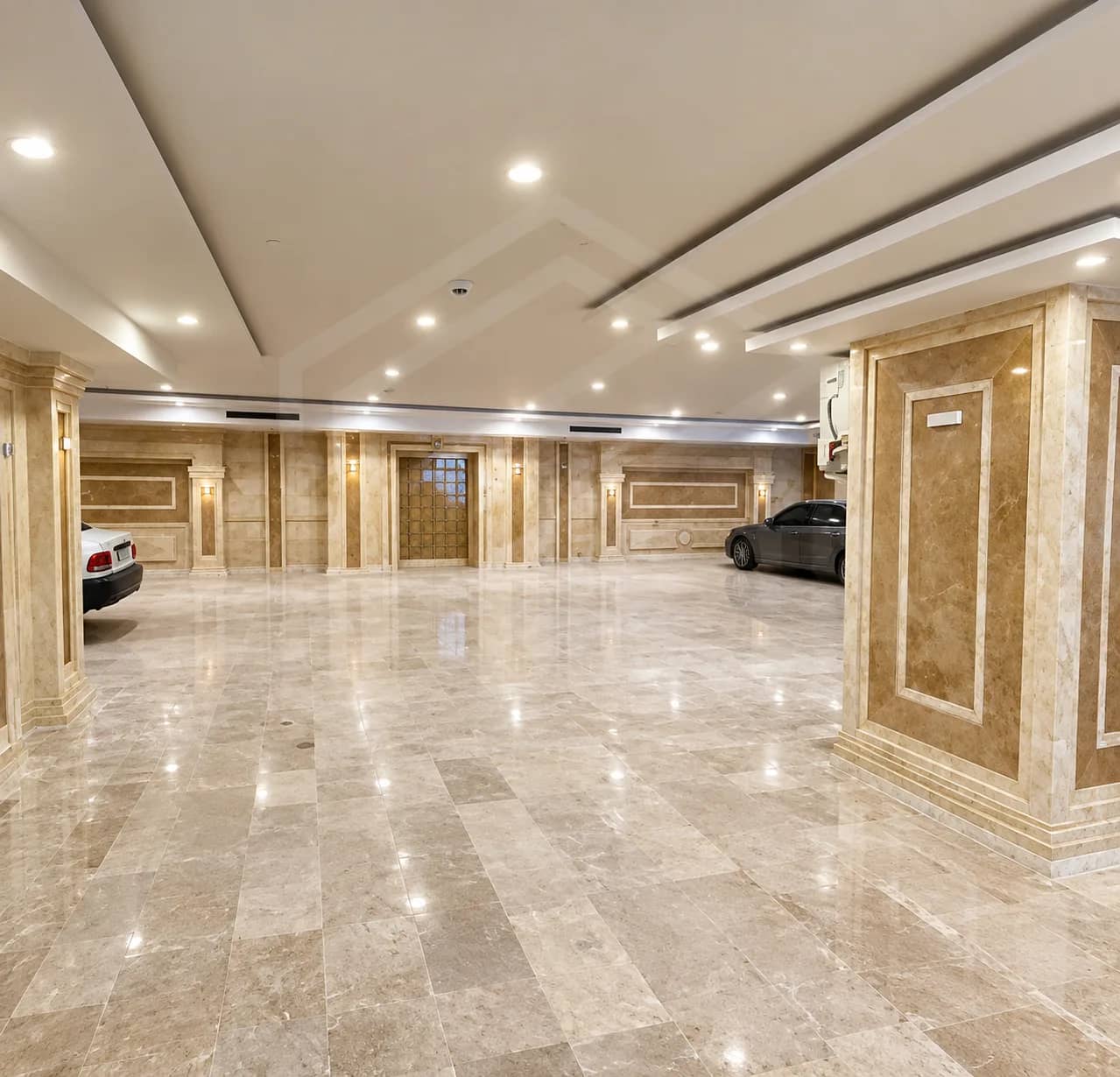
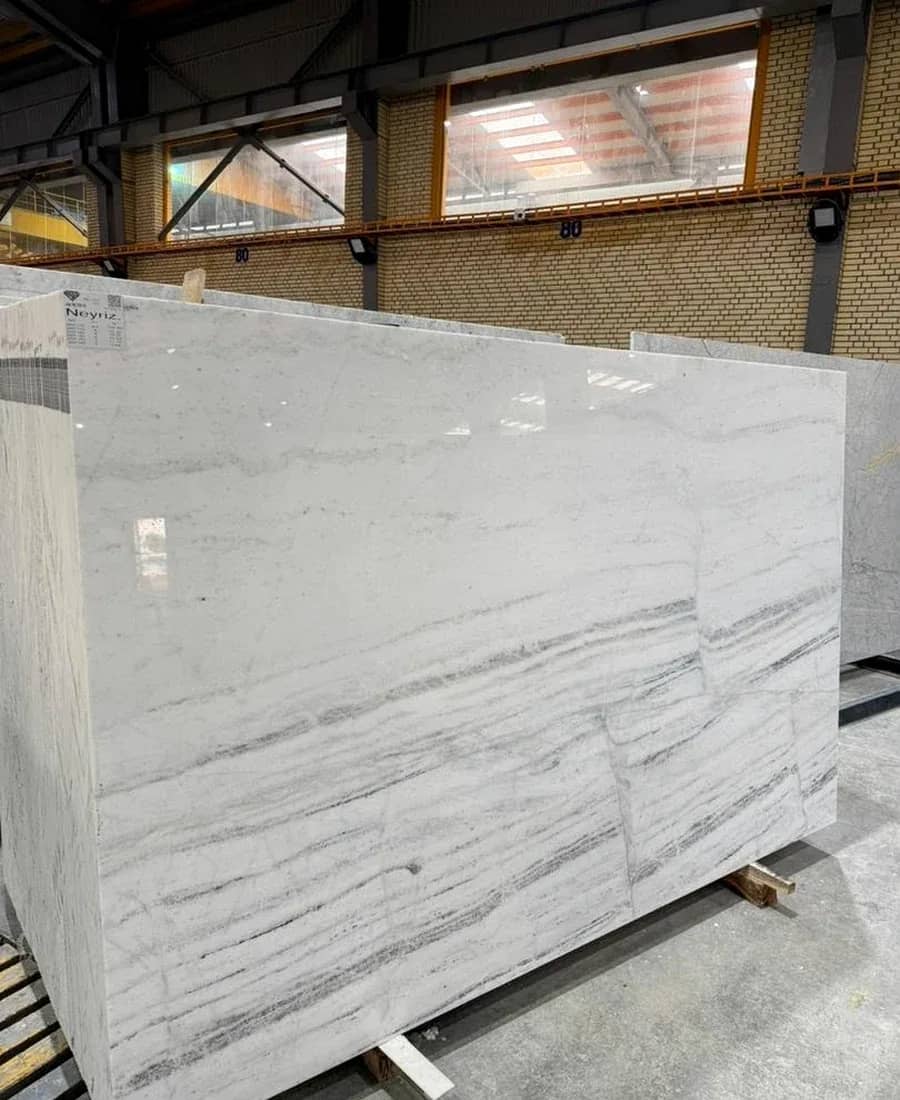
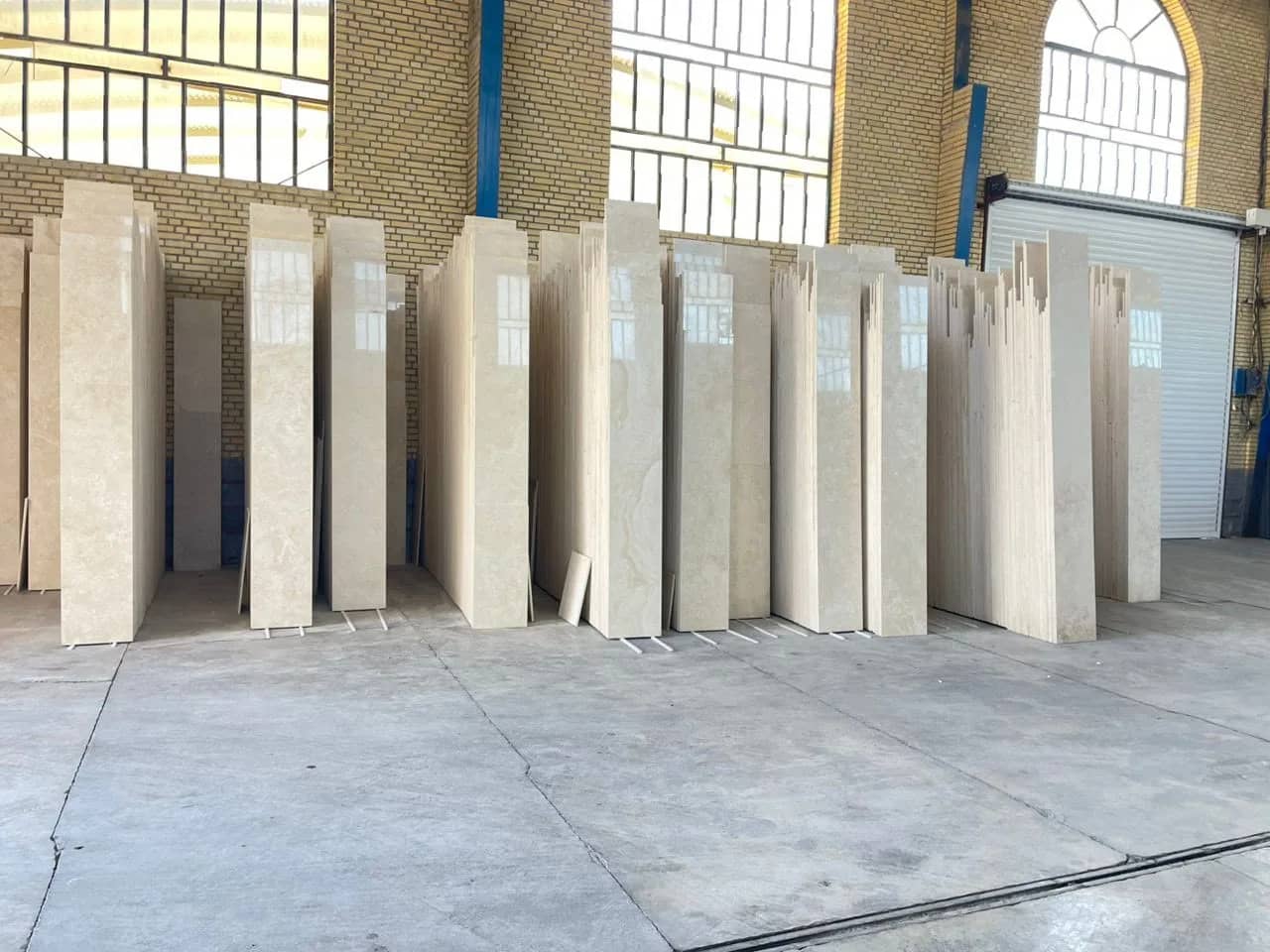
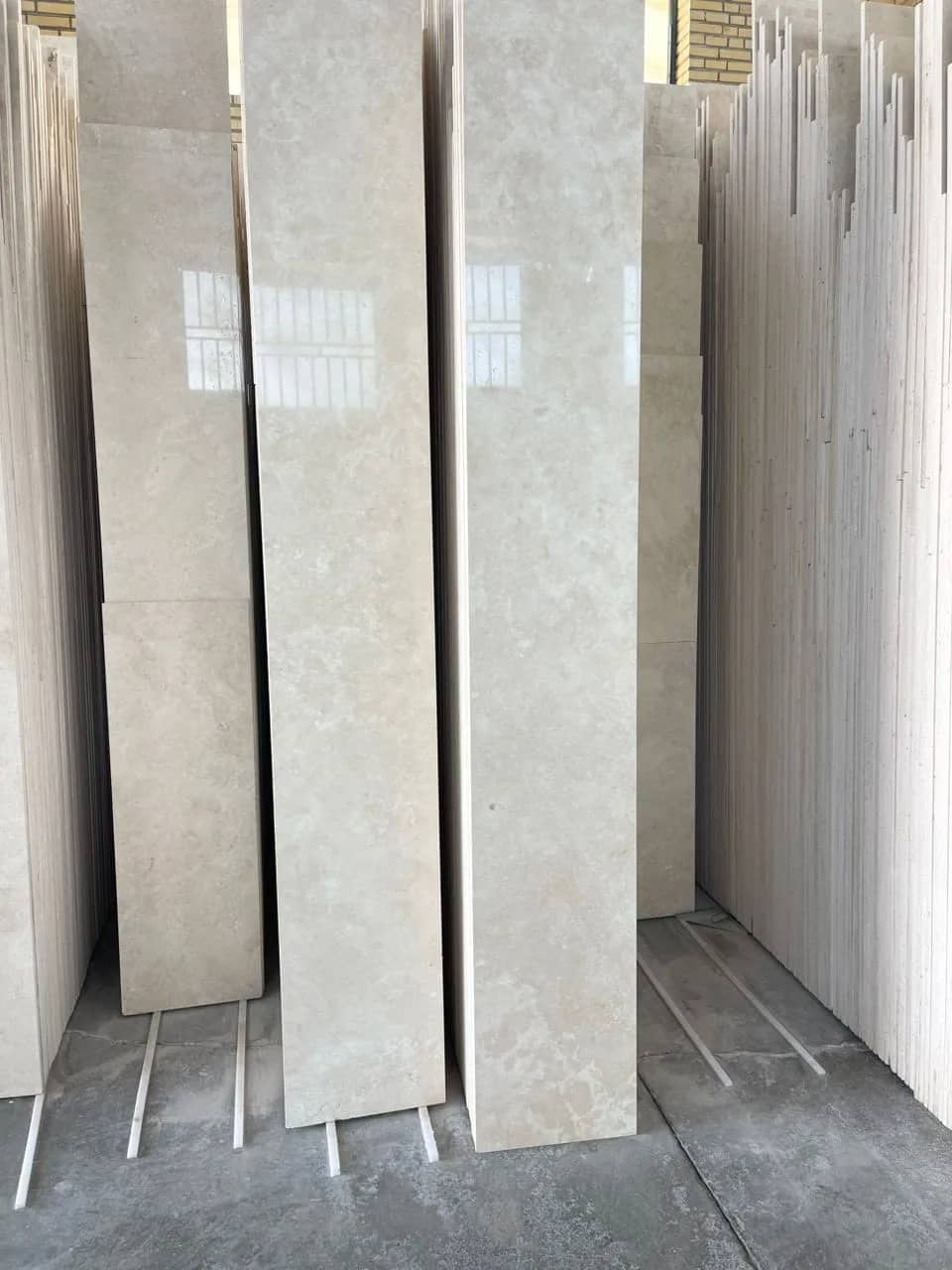
Dareh Bokhari Travertine Stone
Travertine · Iran, Markazi Province, Mahallat County, Dareh Bokhari Region
1,500,000–6,500,000IRT
Enquire & order
Updated: November 2, 2026Price per m²
Ex-works, base grade
1,250,000IRT
Base-grade ex-works price; the final price depends on grade, thickness and quantity.
Same family or colour
Travertine · Iran, Markazi Province, Mahallat County, Dareh Bokhari Region
1,500,000–6,500,000IRT
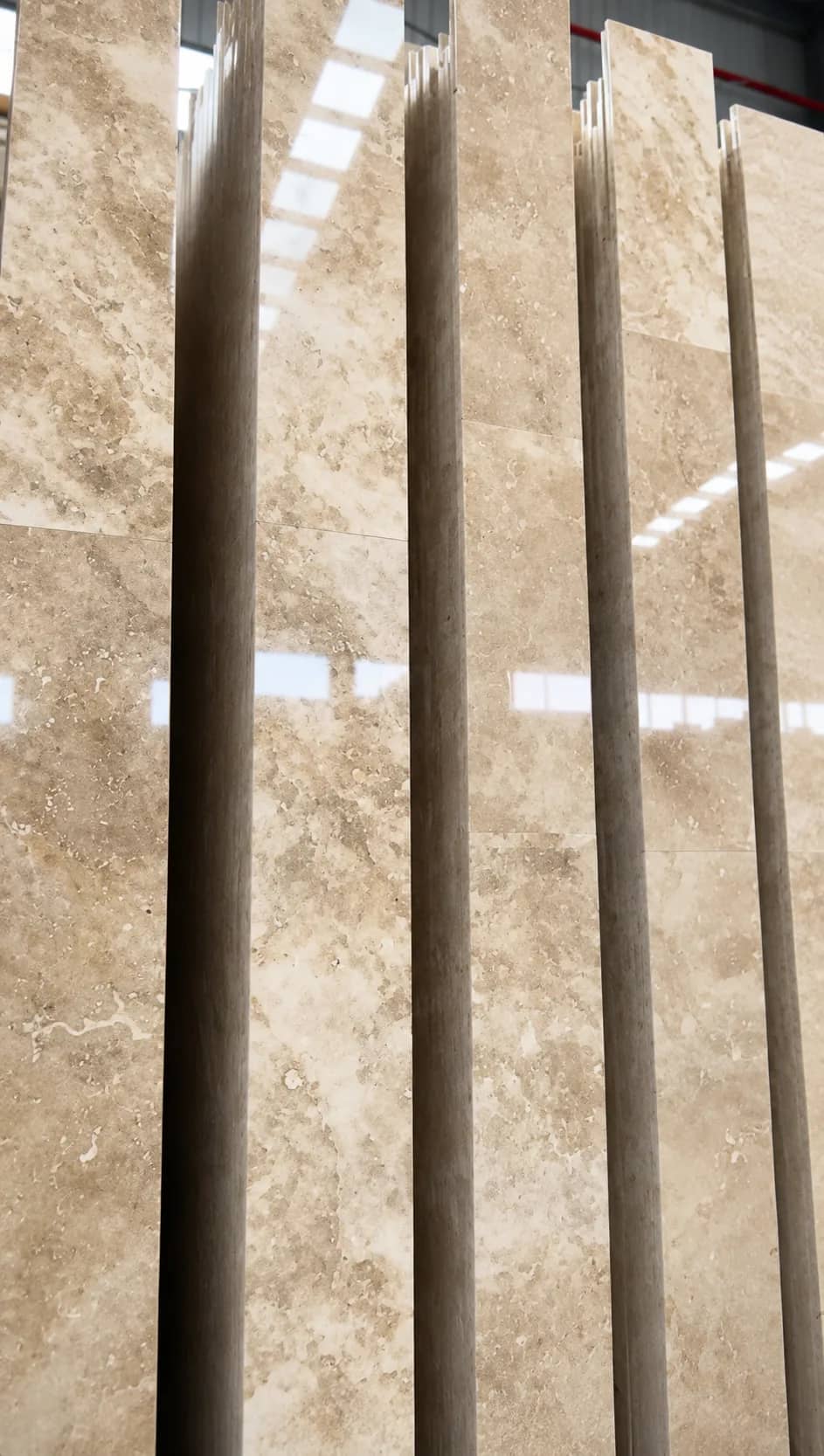
Travertine · Iran, Isfahan Province, Natanz County, Torgh Region
1,800,000IRT

Travertine · Iran, Markazi Province, Mahallat County, Hajiabad Region
1,950,000IRT
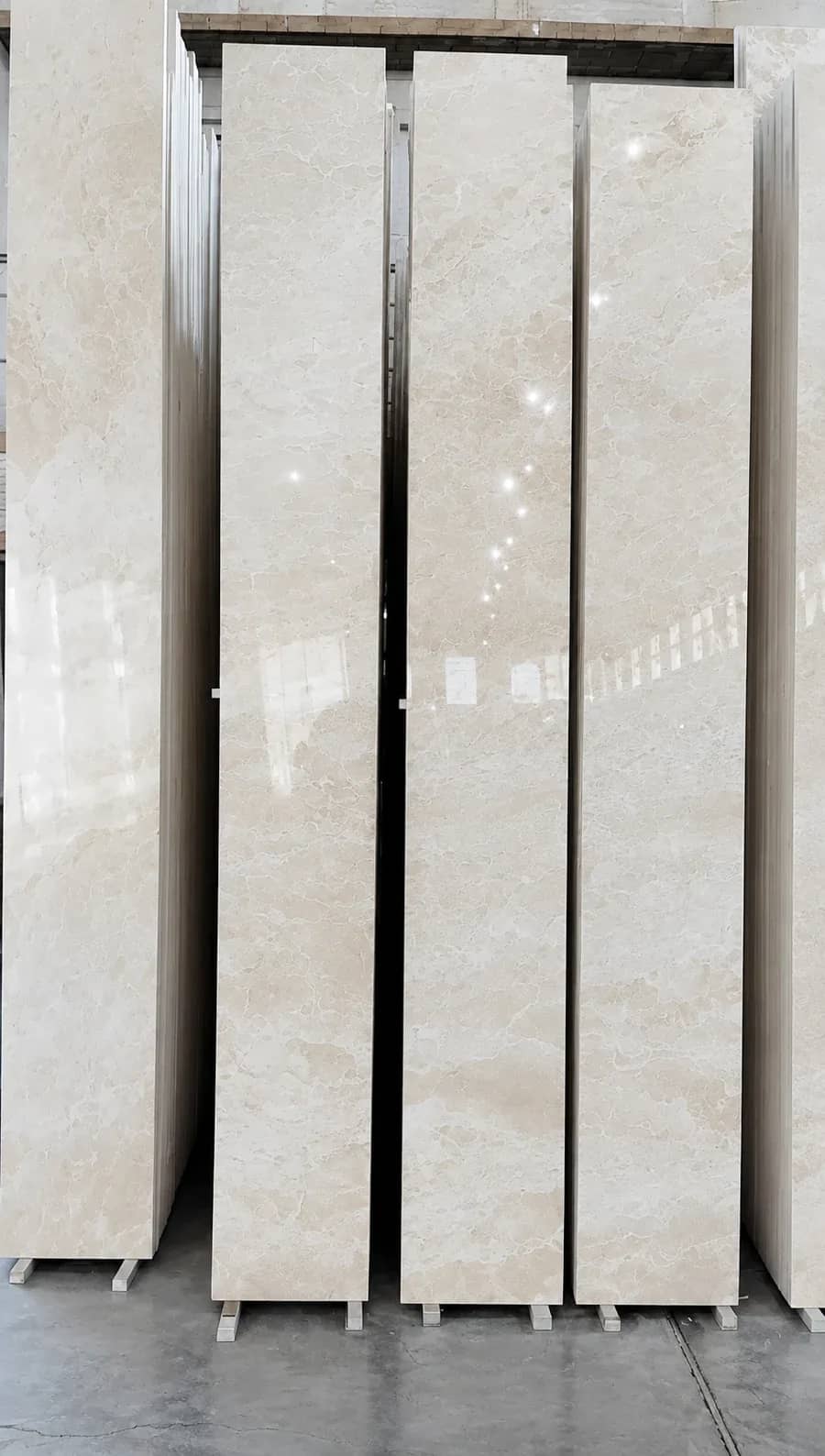
Travertine · Iran, Markazi Province, Mahallat County, Nimvar Region
1,850,000–8,500,000IRT
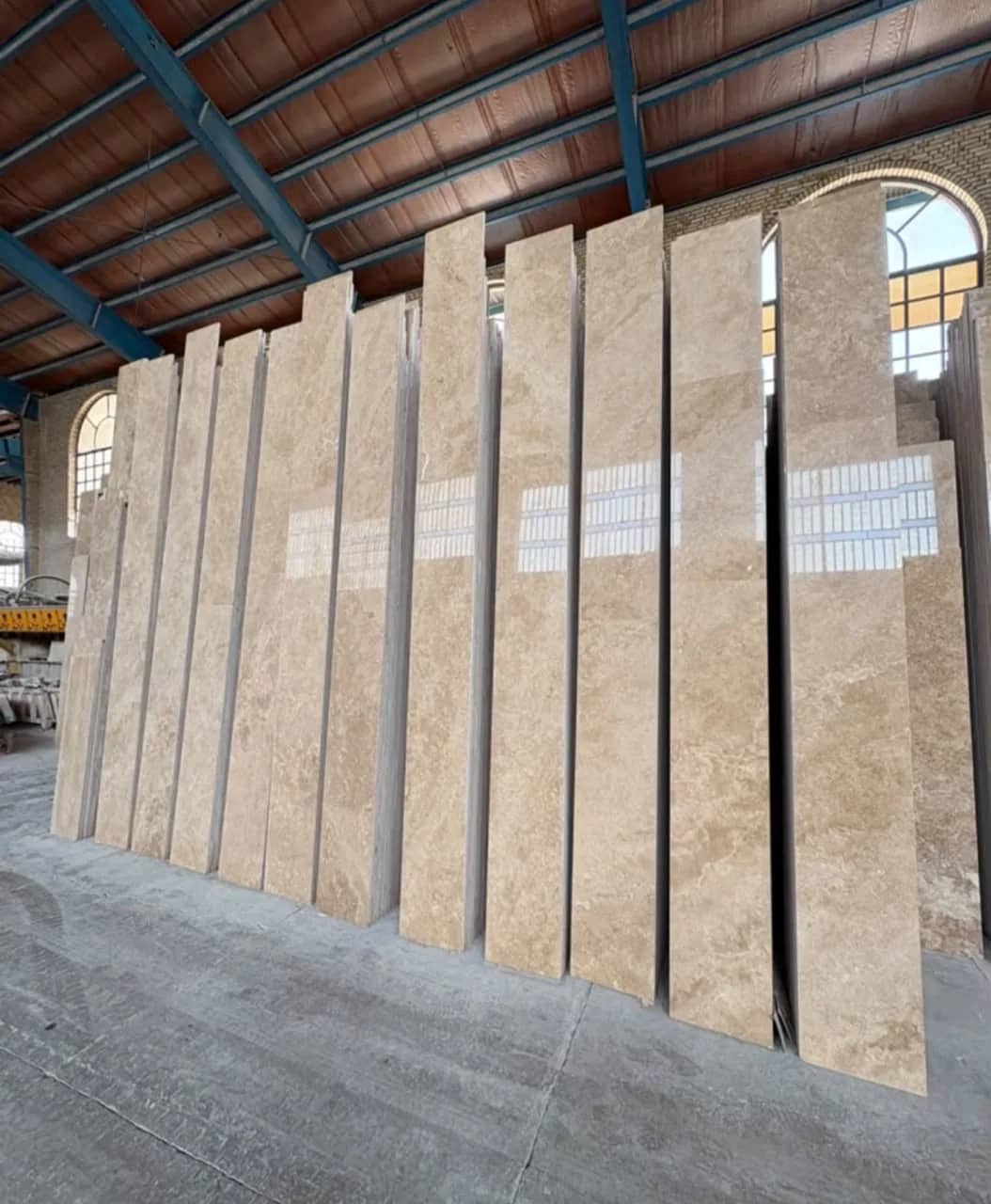
Travertine · Takab, West Azerbaijan, Iran
1,800,000IRT
Travertine · Abyaneh, Natanz
3,900,000IRT
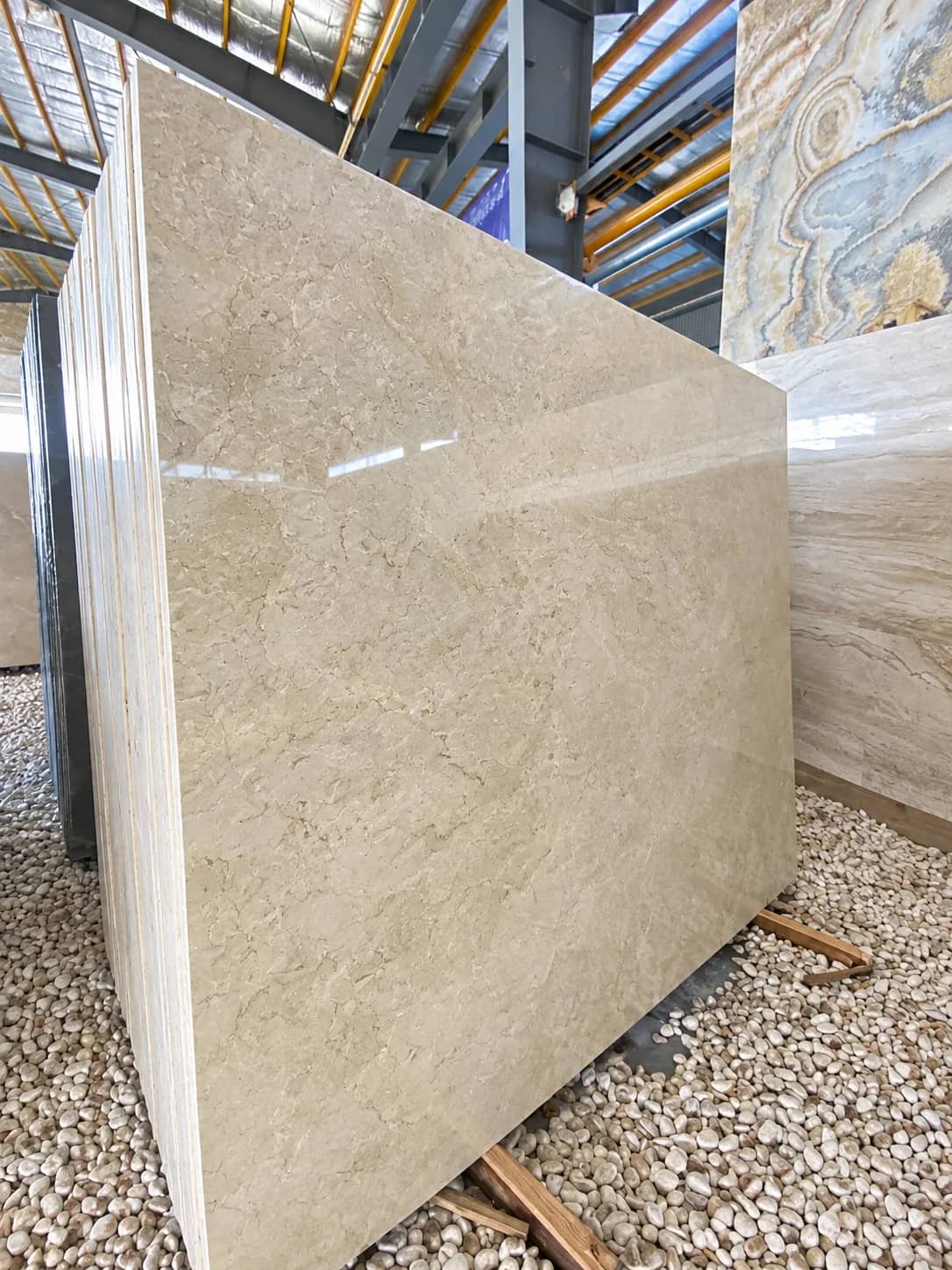
Marbleite · Iran, Fars Province, Bavanat County, Chehrak Region
3,350,000IRT
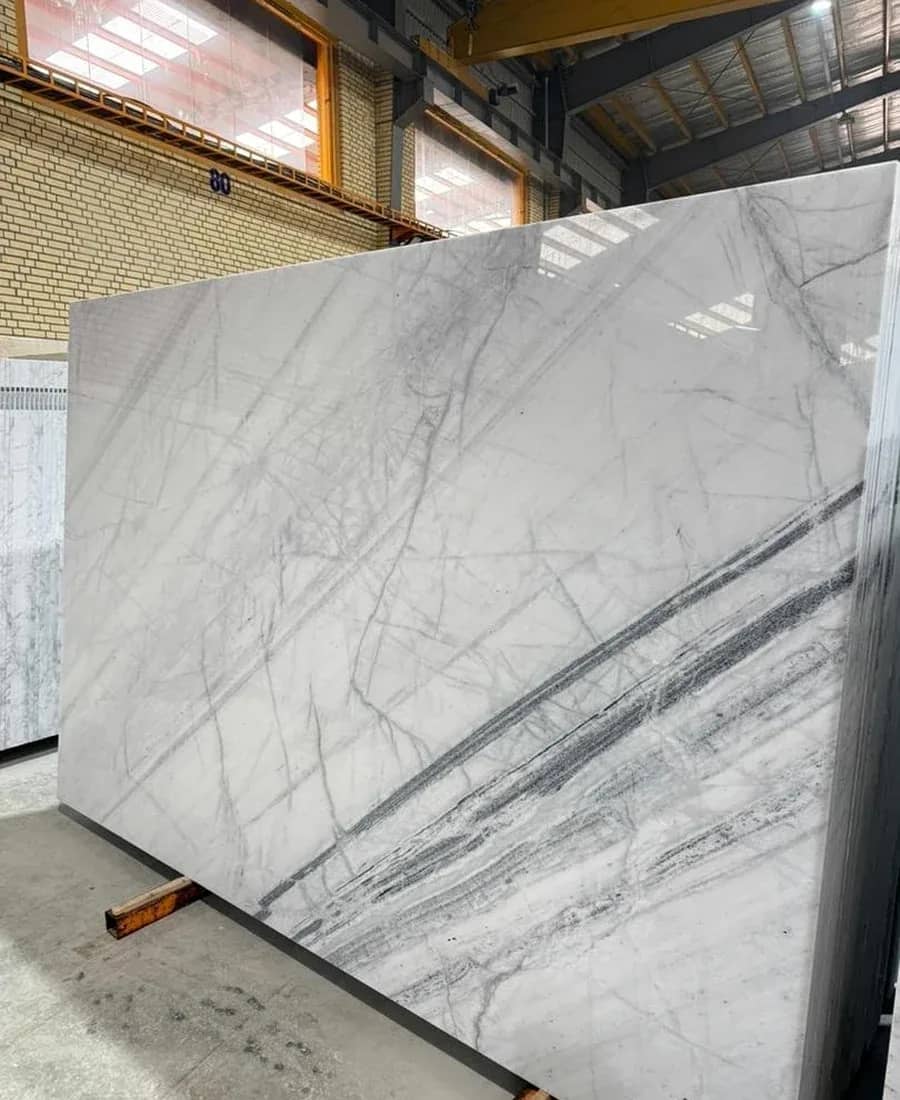
Marbleite · Iran, Fars Province, Safashahr (Dehbid Region)
4,350,000IRT
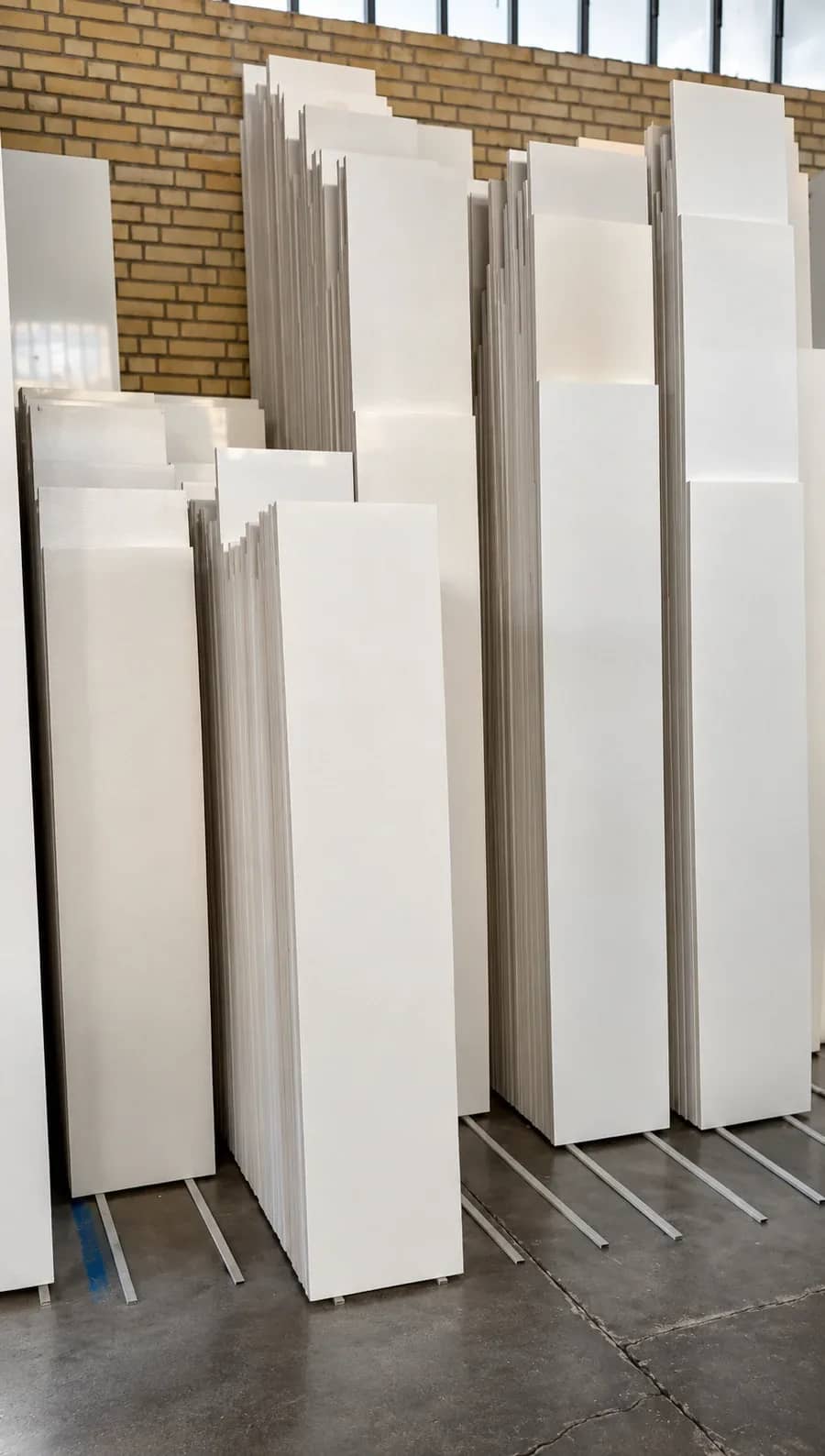
Tramit · Bukan, West Azerbaijan
2,200,000IRT
| Water absorption | 1.85% |
|---|---|
| Density | 2.4 g/cm³ |
| Compressive strength | 68.5 MPa |
| Flexural strength | 9.4 MPa |
| Abrasion (Böhme) | 18.2 cm³/50cm² |
Indicative values; the test report for each lot ships with the load.
Each property scored out of 10 — greener is better
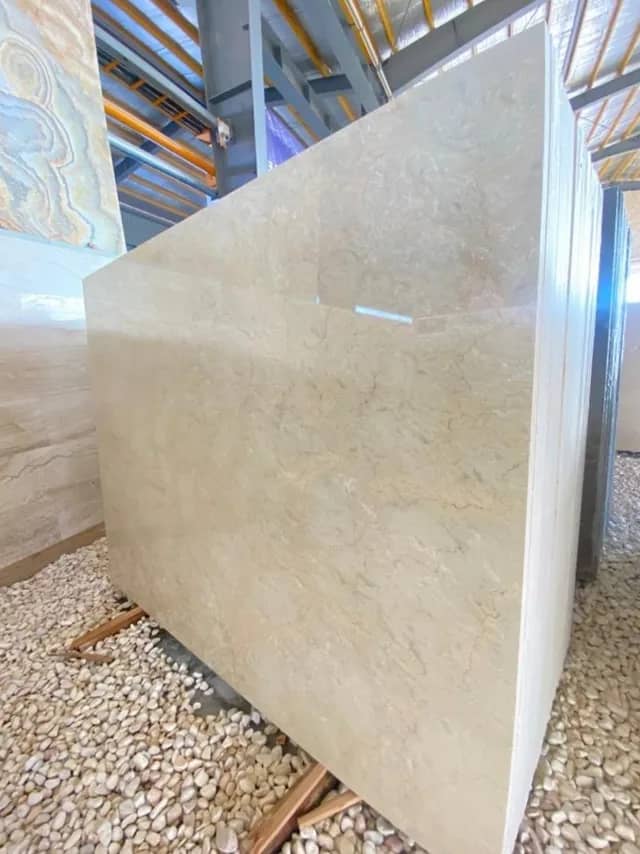
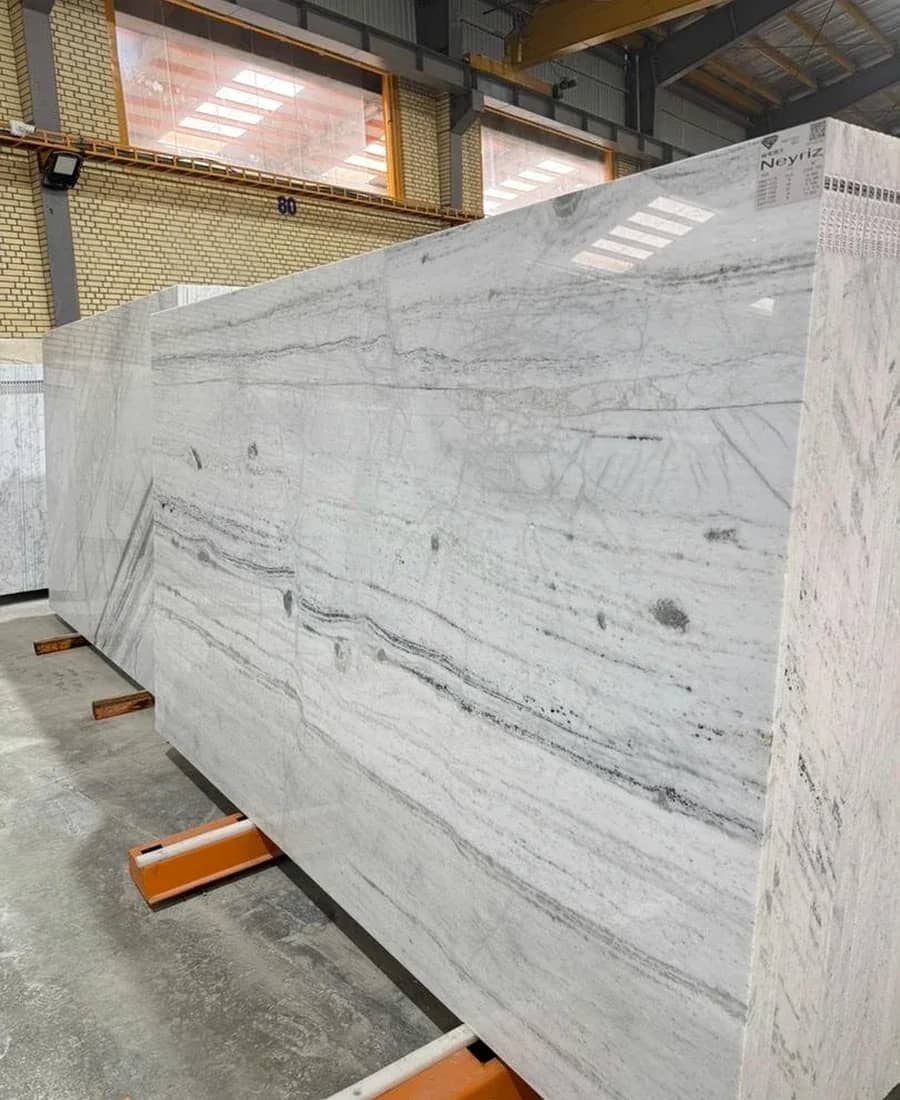
Premium Yazd Travertine in warm cream and beige tones for classic & modern facades. High weather resistance. Contact us today for wholesale pricing & samples.
Yazd Travertine is one of Iran's most reputable sedimentary calcium carbonate building stones, extracted from the mineral-rich quarries of Yazd Province, primarily in the Ardakan, Aghda, and Mehriz regions. Renowned for its warm, inviting palette ranging from light cream and sandy beige to honey and rich chocolate tones, this stone is processed in both Vein-Cut (highlighting natural linear strata) and Cross-Cut (creating a calm, homogeneous cloudy texture). Its balanced natural porosity allows superior absorption of high-grade epoxy and UV-resistant resins during processing, yielding a mirror-like gloss in polished finishes while also excelling in honed, brushed leather, tumbled antique, and bush-hammered textures.
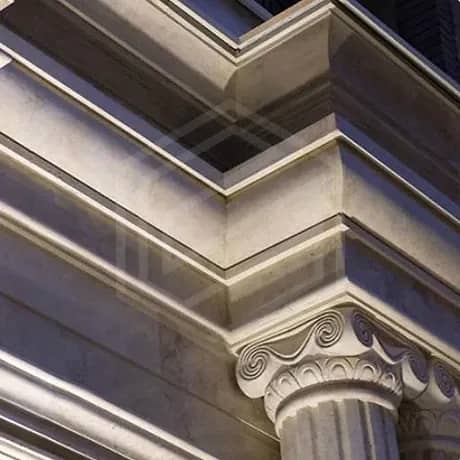
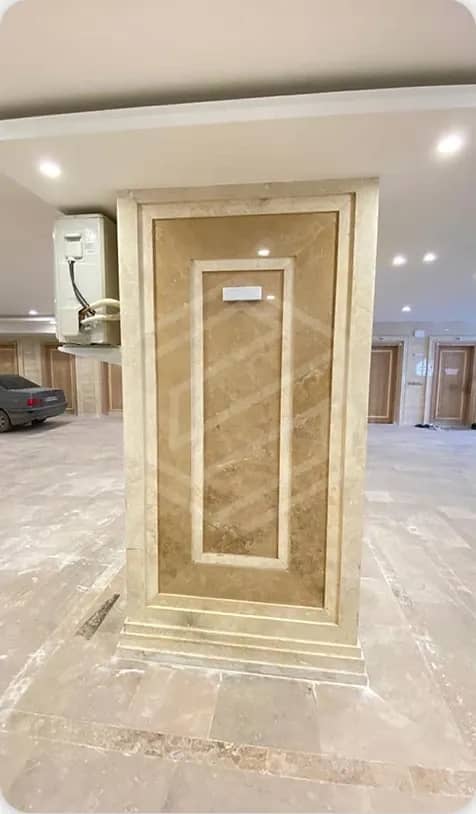
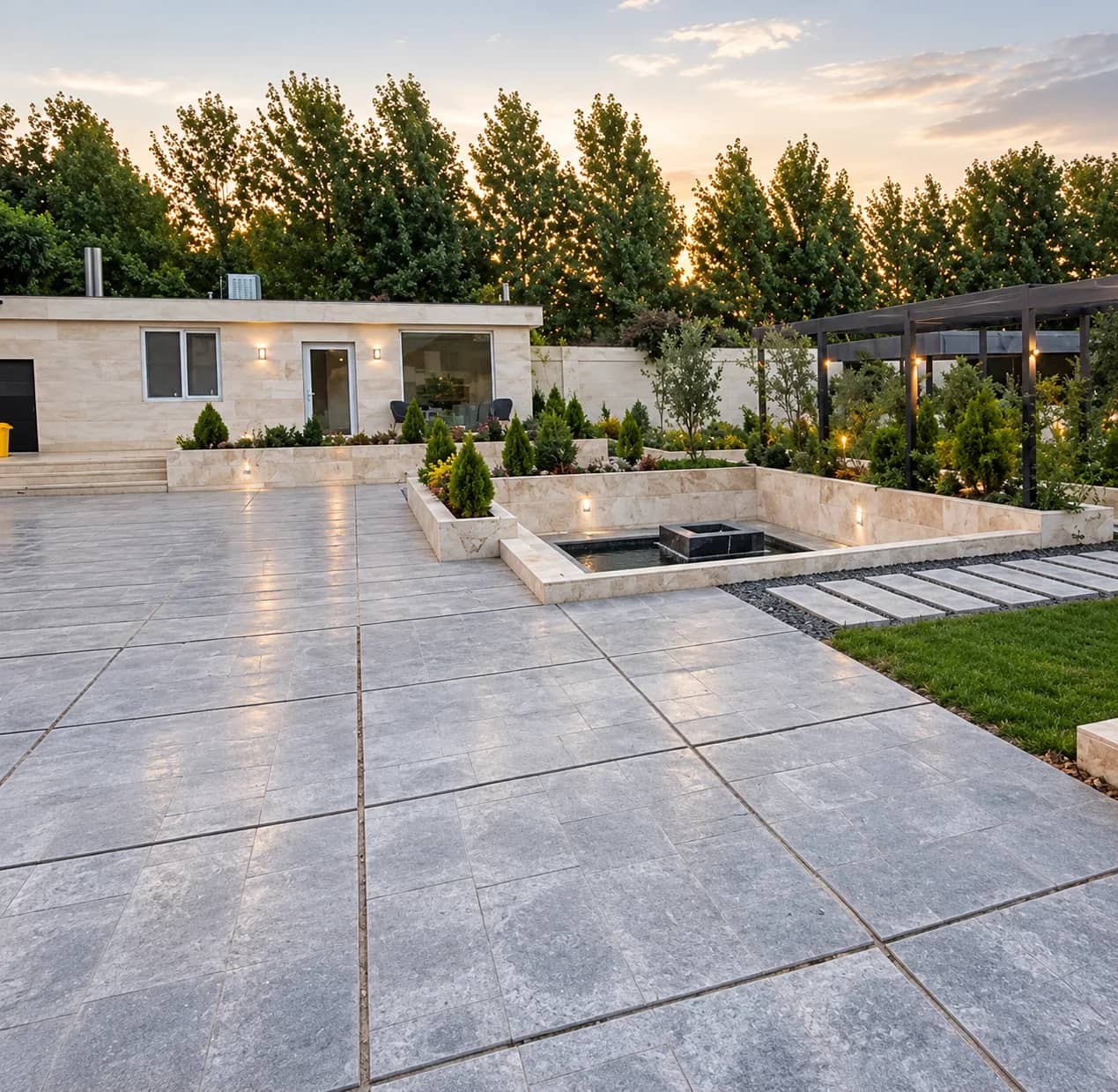
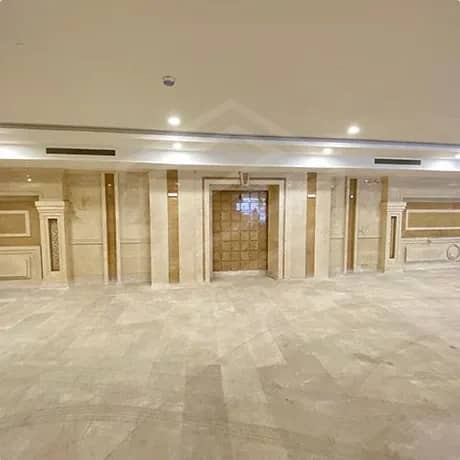
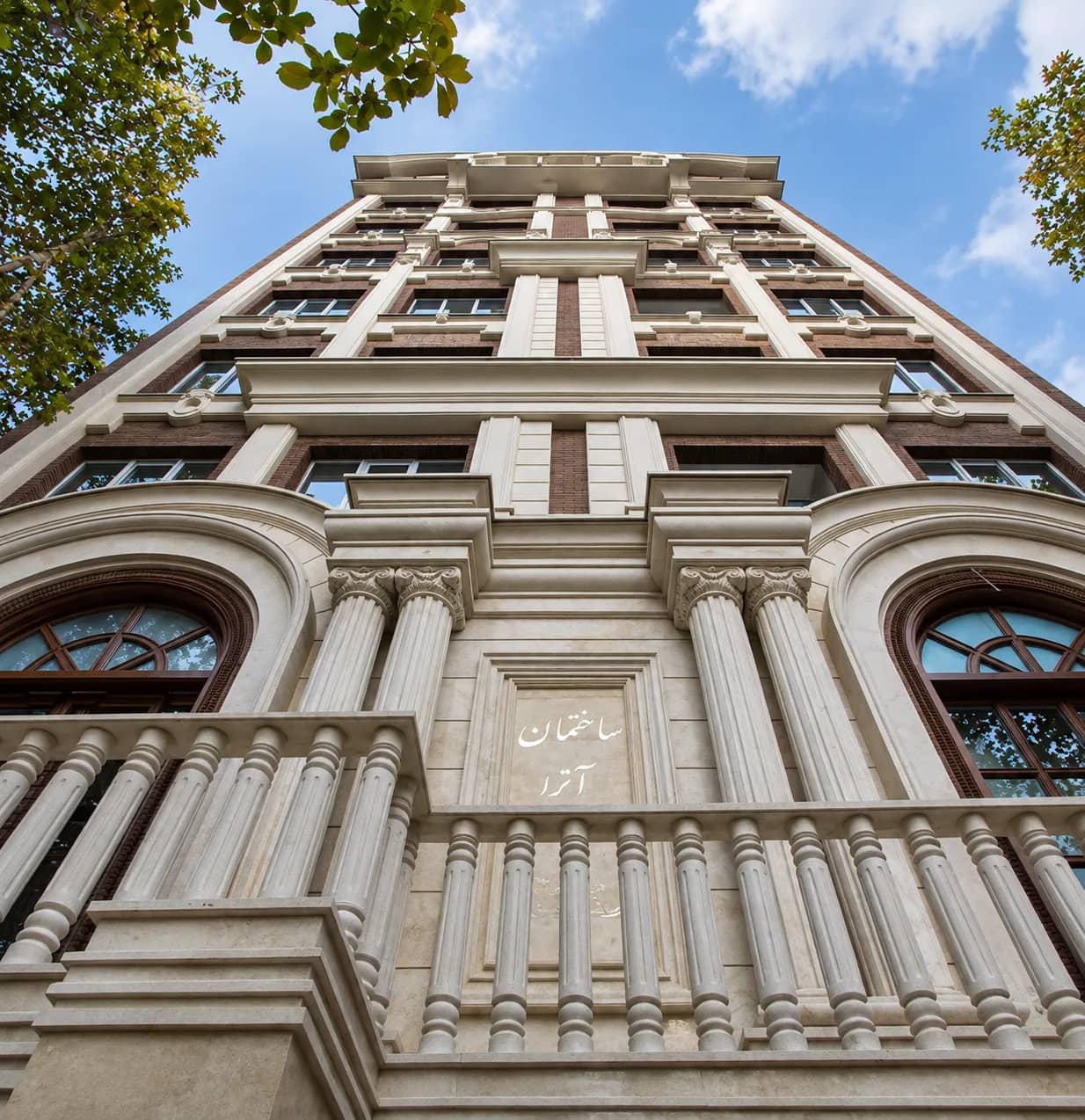
Architecturally, Yazd Travertine stands out as a premier choice for exterior building facades—spanning Roman classical, neoclassical, and contemporary designs—as well as interior accent walls and semi-covered semi-open spaces. Because of its natural UV color stability and reliable freeze-thaw durability, it performs exceptionally well across both arid desert climates and cold mountainous regions. The natural cavities on the un-resined backside of the stone allow cement mortar to penetrate deeply into the pores, creating an interlocking mechanical bond that provides superior mortar grip while adding minimal dead load to the building structure and enhancing thermal and acoustic insulation.
For secure installation on exterior facades and elevated surfaces, mechanical anchoring using stainless steel or galvanized scope clips, wire anchors, or post-installation galvanized screws is strongly recommended alongside standard polymer-modified cement mortar or dry-cladding systems. To preserve its natural luster and structural integrity over time, avoid cleaning the calcium-based surface with harsh acidic detergents or descalers. Instead, periodic rinsing with clean water, mild pH-neutral stone cleaners, and optional application of breathable penetrating nano-sealers in high-moisture zones will maintain the stone's appearance for decades.
See the pattern consecutive slabs of this stone make when mirrored.